Volta Launched RCM/Billing at ACHA. Over 200 Schools Raised Their Hand.
By Dr. Tsikata Apenyo, Founder of Volta Health
June 2026·5 min read
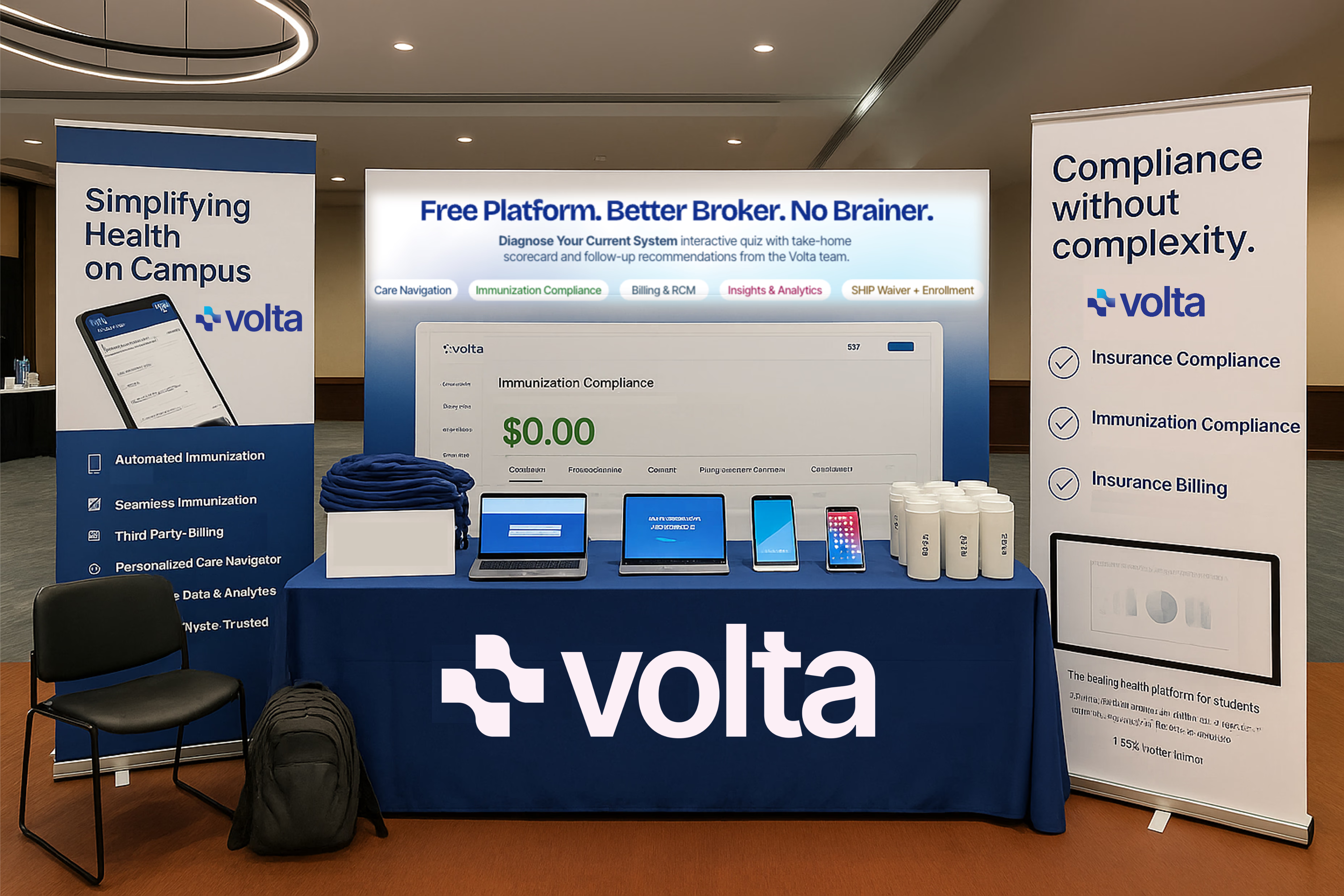
It was 7:45 on the first morning of the conference, and we hadn't even finished setting up the booth. A health center director walked up, pointed at our billing display, and said: "I've been waiting for someone to do this."
That set the tone for the entire week.
The Energy Was Different This Year
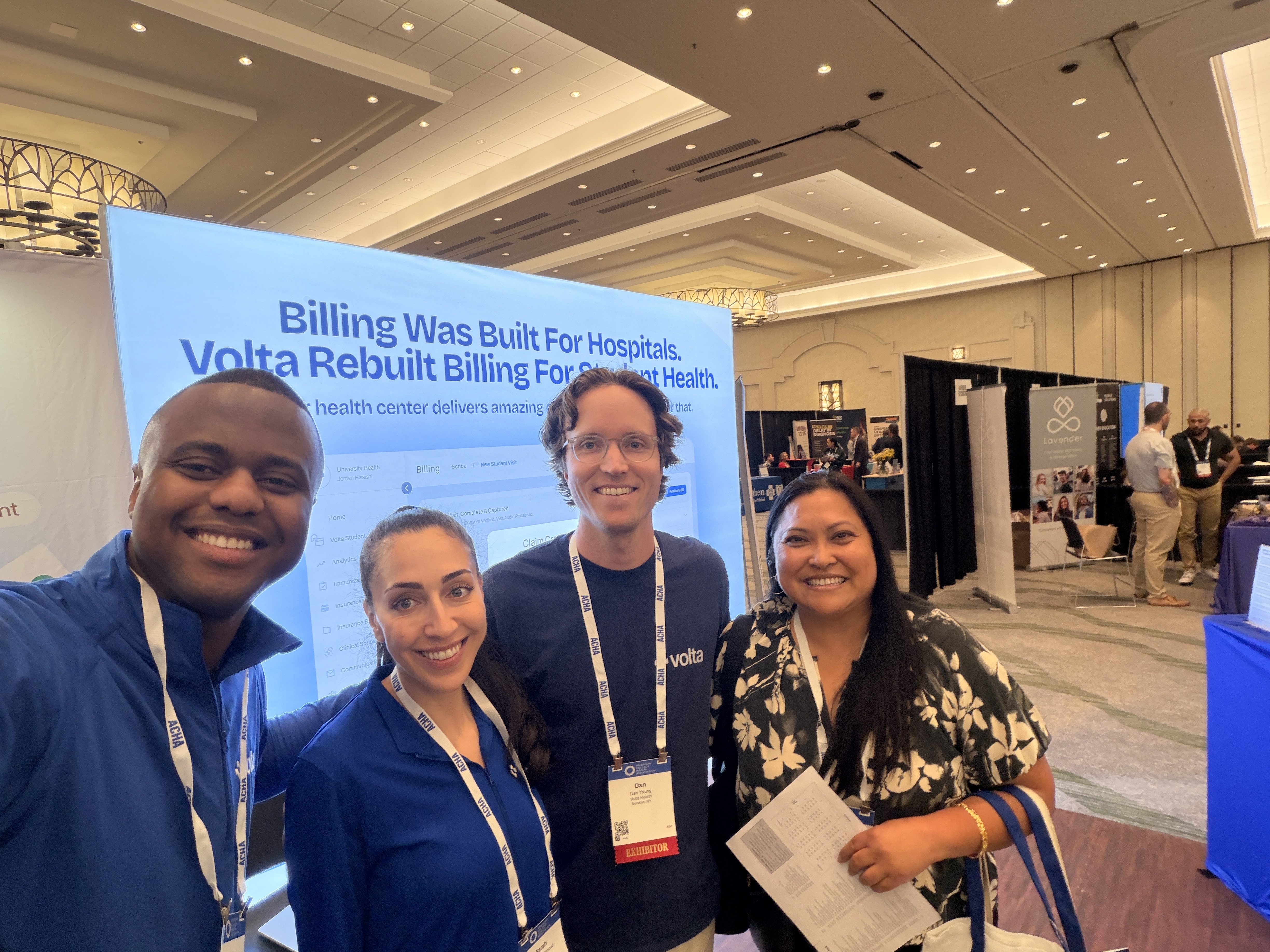
This was our biggest ACHA yet. Over the course of the conference, we connected with representatives from more than 100 colleges and universities — large public research institutions, small liberal arts schools, HBCUs, health sciences programs, and everything in between.
But the numbers only tell part of the story. What stood out was the quality of the conversations. People weren't browsing. They were coming to our booth with specific problems — why they can't bill for services, immunization workflows held together by spreadsheets and fax machines, insurance platforms that hadn't been updated in two decades — and asking pointed questions about how we could help.
The other thing that caught us off guard? Almost everyone we talked to had already heard of Volta. That kind of recognition doesn't happen overnight. It's the result of years of showing up, building relationships, and doing right by the schools we serve. It felt like a turning point.
Billing Was the Breakout Topic
We used ACHA 2026 to officially introduce our health center billing solution to the broader college health community. We weren't sure how it would land. Billing in student health has historically been a touchy subject — it challenges long-held assumptions about how health centers should operate and who should pay for care.
The response blew past our expectations. Nearly 200 schools expressed interest in learning more. And billing wasn't the only thing — immunization compliance, still managed through manual processes that belong in a different decade, came up in nearly every conversation. The pain points are real, and they're connected.
Here's what's driving the shift: higher education is under enormous financial pressure. Budgets are tightening. International enrollment is down. State funding continues to shrink. Health centers that have operated as pure cost centers for decades are being asked to justify their budgets in ways they never had to before. But third-party billing isn't just a revenue play — it's a sustainability strategy. But most students coming for care in a college health center have health insurance — either their parents' commercial plans, or the institution's plan. The coverage exists. The infrastructure did not.
That's why we spent the past year building Billing in a Box — a turnkey solution that pairs Volta's technology with expert consulting from Keeling & Associates and insurance partnerships from Venbrook Student Insurance, so schools don't have to figure out credentialing, payer contracting, and revenue cycle management on their own. No new hires. No multi-year, multi-million dollar implementation. Just the entire infrastructure a health center needs to go from zero billing to collecting revenue.
The question at ACHA wasn't "should we do this?" anymore. It was "how do we do this well, and who can help us get there?"
Carriers Are Paying Attention
One of the more interesting dynamics at this year's conference was the growing interest from insurance carriers in partnering with health centers differently. The traditional model — where carriers and schools operate in separate silos — is starting to break down.
We had multiple conversations with carrier executives who see the same opportunity we do: when health centers can bill commercial insurance effectively, everyone wins. Students get care covered by plans they're already paying for. Schools generate revenue. Carriers see better utilization data and more engaged members.
Community Is the Real Competitive Advantage
The thing I'm most proud of from this year's conference wasn't a product demo or a sales conversation. It was the community we continue to build.
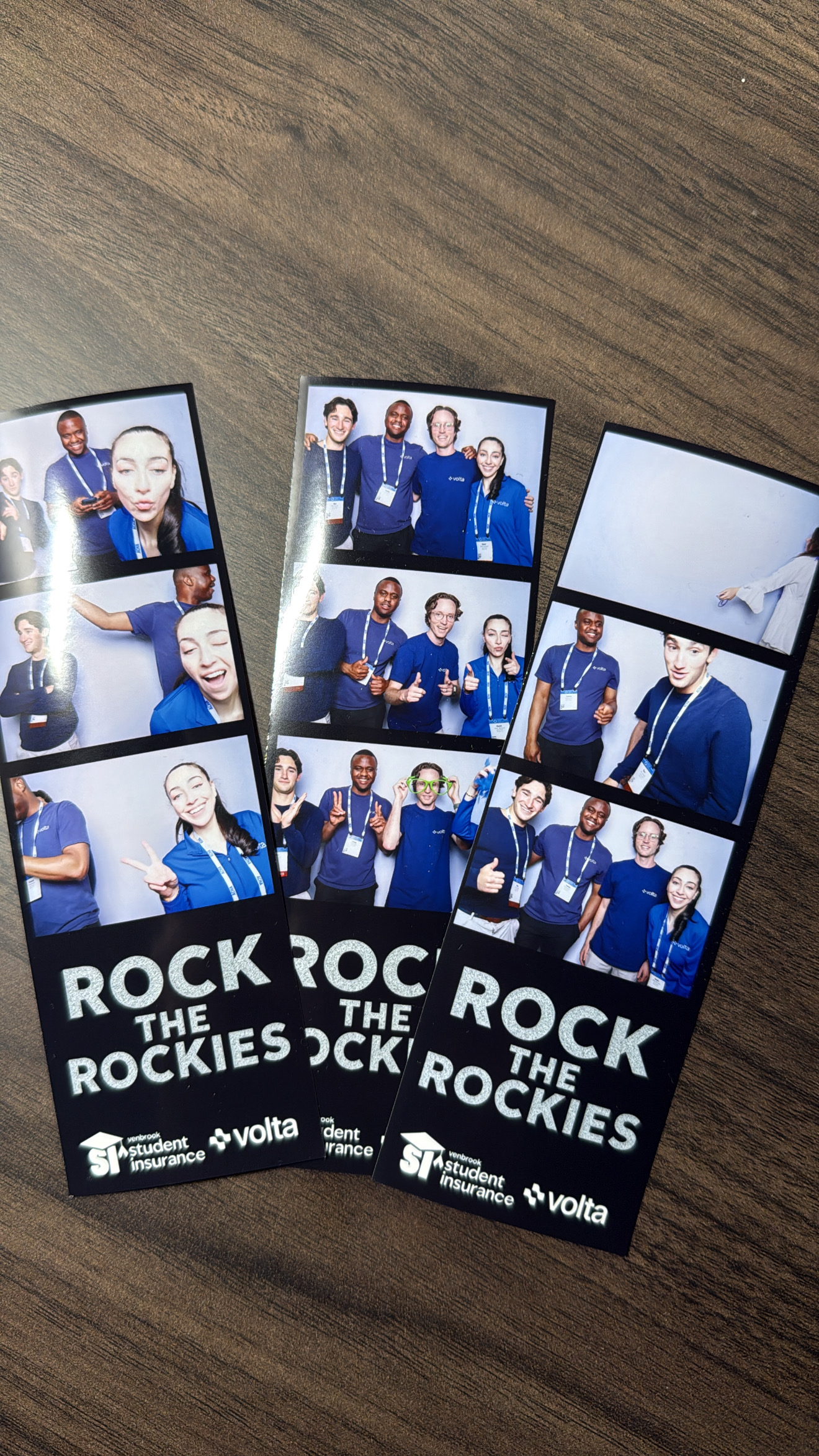
Our "Rock the Rockies" happy hour drew nearly 150 people — health center directors, carrier executives, brokers, and industry partners all in one room. Three years ago, we pioneered the afternoon happy hour format at ACHA. This year, other companies started copying it. We'll take that as a compliment.
Our "Friends of Volta" dinner brought together our partner institutions and closest collaborators for an evening of real conversation — no pitches, no slides, just people who care about student health breaking bread together.

And our golf outing created the kind of relaxed, relationship-first environment where the best partnerships are born.

But the event that meant the most to our entire team was our Diverse Voices Dinner. It was small and intimate — maybe a dozen people around a table. But the impact was outsized. Every single attendee told us how much it meant to have a space specifically designed for underrepresented voices in college health. And when we say diversity, we mean it broadly — not only race, ethnicity, gender, sexual orientation, and socioeconomic background, but also institutional type, size, and location. The health center director at a rural community college faces a different kind of invisibility than the one at a large research university, but both deserve a seat at the table.
I started Volta because I believe access to quality healthcare shouldn't depend on where you come from or what school you attend. That belief extends to the people who run these health centers, too. Leaders from underrepresented communities are doing extraordinary work with limited resources and even less recognition. At a time when so many institutions are retreating from commitments to diversity and inclusion, Volta is leaning in. We're expanding our support for these leaders and communities in the years ahead — from how we build our product to the sponsorships and partnerships we invest in — because the future of student health has to include everyone, or it isn't really the future.
What We're Taking Away
After hundreds of conversations across four days, a few themes kept surfacing:
- Schools have more power than they realize. Whether it's negotiating with insurance carriers, choosing technology vendors, or redesigning clinical workflows, health center leaders are sitting on more leverage than the industry gives them credit for. Part of our job is helping them see it and use it.
- The student experience is non-negotiable. Students today manage their finances, their coursework, and their social lives from their phones. They expect to manage their health the same way. Schools that meet students where they are will see better engagement, better compliance, and better outcomes.
- Partner, not vendor. The days of siloed systems and transactional vendor relationships are numbered. Schools want one platform that connects immunization, insurance, billing, and care navigation — and they want a team that's in it with them for the long haul.
Looking Ahead: ACHA 2027 in Philadelphia
We're already planning for next year. Bigger booth. Better events. More partners. And a few surprises we're not ready to share just yet — but if you've been paying attention, you know Volta does not do small.
But more than anything, we're looking forward to continuing the conversations that started in Denver. If you're a higher education leader thinking about billing, a health center director trying to stay up to date with immunization compliance, or just interested in how modern student health technology can smooth out operations and improve both student and staff experience — we'd love to hear from you.

Dr. Tsikata Apenyo, Founder of Volta Health
Dr. Tsikata Apenyo founded Volta Health on a simple conviction: the quality of your healthcare should never depend on which campus you call home. As a physician and entrepreneur, he built Volta to give every health center — regardless of size, budget, or zip code — the infrastructure to deliver exceptional care and a sustainable future.